by Pride Transport | Nov 23, 2026
Every professional truck driver knows that backing a tractor-trailer requires patience, precision, and awareness. Whether you're navigating a crowded truck stop, positioning your trailer at a loading dock, or squeezing into a tight parking space, even experienced drivers encounter situations where visibility is limited and clearance is difficult to judge.
That's where one of the most important habits in professional driving comes into play: GOAL, or Get Out And Look. Whether you're an experienced CDL-A driver or newer to professional truck driving, GOAL is a habit worth building from your first week.
GOAL is a simple safety practice that can prevent costly damage, protect people around your truck, and help you approach challenging maneuvers with confidence. At Pride Transport, we understand that safe driving doesn't stop when you leave the highway. Sometimes, the smartest move you can make is putting the truck in park, stepping out of the cab, and taking another look.
What Does GOAL Mean in Truck Driving?
GOAL stands for Get Out And Look. It's a defensive driving technique that encourages drivers to physically inspect their surroundings before backing or maneuvering in areas where visibility is restricted.
Even with properly adjusted mirrors and modern safety equipment, there are areas around a tractor-trailer that drivers cannot see clearly from the cab. Trailer overhang, nearby equipment, parked vehicles, and obstacles close to the ground can all create potential hazards.
The Occupational Safety and Health Administration (OSHA) specifically includes GOAL in its safety guidance for tractor-trailer drivers arriving at a destination. The guidance also emphasizes checking mirrors, understanding blind spots, using spotters, and backing slowly.
For experienced drivers, GOAL isn't about questioning your backing skills. It's about recognizing that even the best drivers cannot see everything from behind the wheel.
Why GOAL Matters for Experienced Truck Drivers
Blind Spots Don't Disappear With Experience
Professional drivers develop a strong understanding of their equipment over thousands of miles. You learn how your trailer tracks, how much room you need to swing, and how to position your truck for different backing situations.
However, experience doesn't eliminate blind spots.
The area directly behind your trailer remains difficult to monitor, particularly when you're backing toward a dock or parking between other trucks. Objects such as bollards, concrete barriers, low posts, and equipment may be hidden from view.
According to OSHA's backover prevention guidance, limited visibility around large vehicles creates serious risks, especially when pedestrians or other workers are nearby.
Getting out to inspect the area allows you to identify hazards that mirrors alone might not reveal. It also gives you a better understanding of the available space before committing to a maneuver.
Small Miscalculations Can Create Major Problems
A few inches can make a significant difference when positioning a 53-foot trailer.
Misjudging the distance between your trailer and a nearby obstacle can result in damaged equipment, interrupted deliveries, and unnecessary downtime. In more serious situations, backing incidents can cause injuries.
These situations are especially frustrating because many are preventable.
Taking an extra minute to check your surroundings is often much easier than dealing with the consequences of a collision. Even when you're confident in your setup, GOAL provides an additional opportunity to verify your position before continuing.
When Should Truck Drivers Use GOAL?
Although GOAL is commonly associated with backing, it's useful whenever you're uncertain about clearance or the position of your equipment.
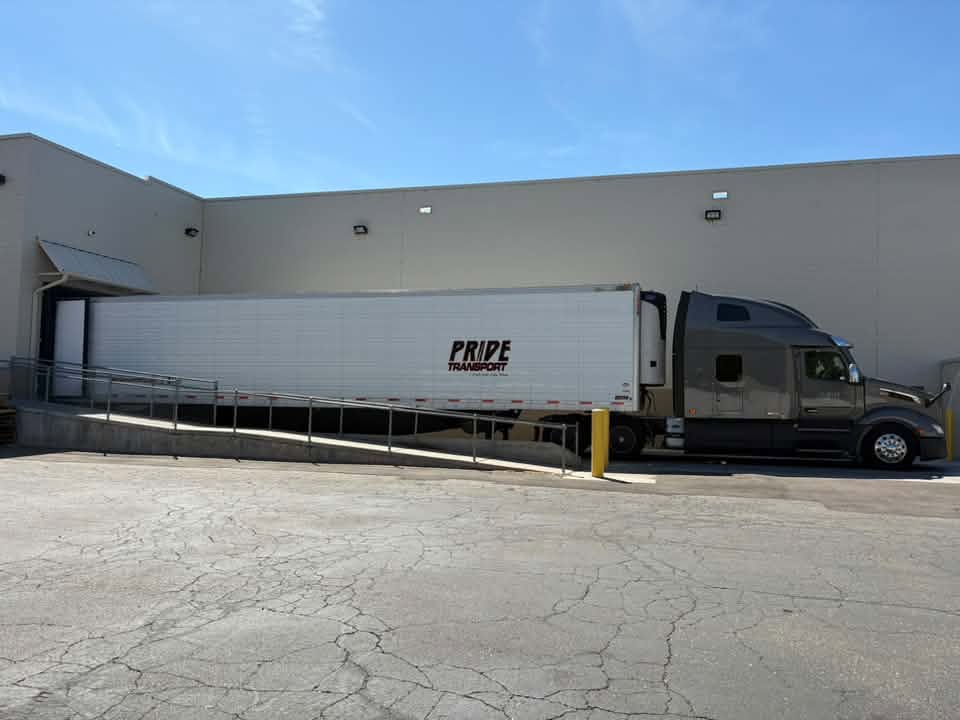
Backing Into Loading Docks
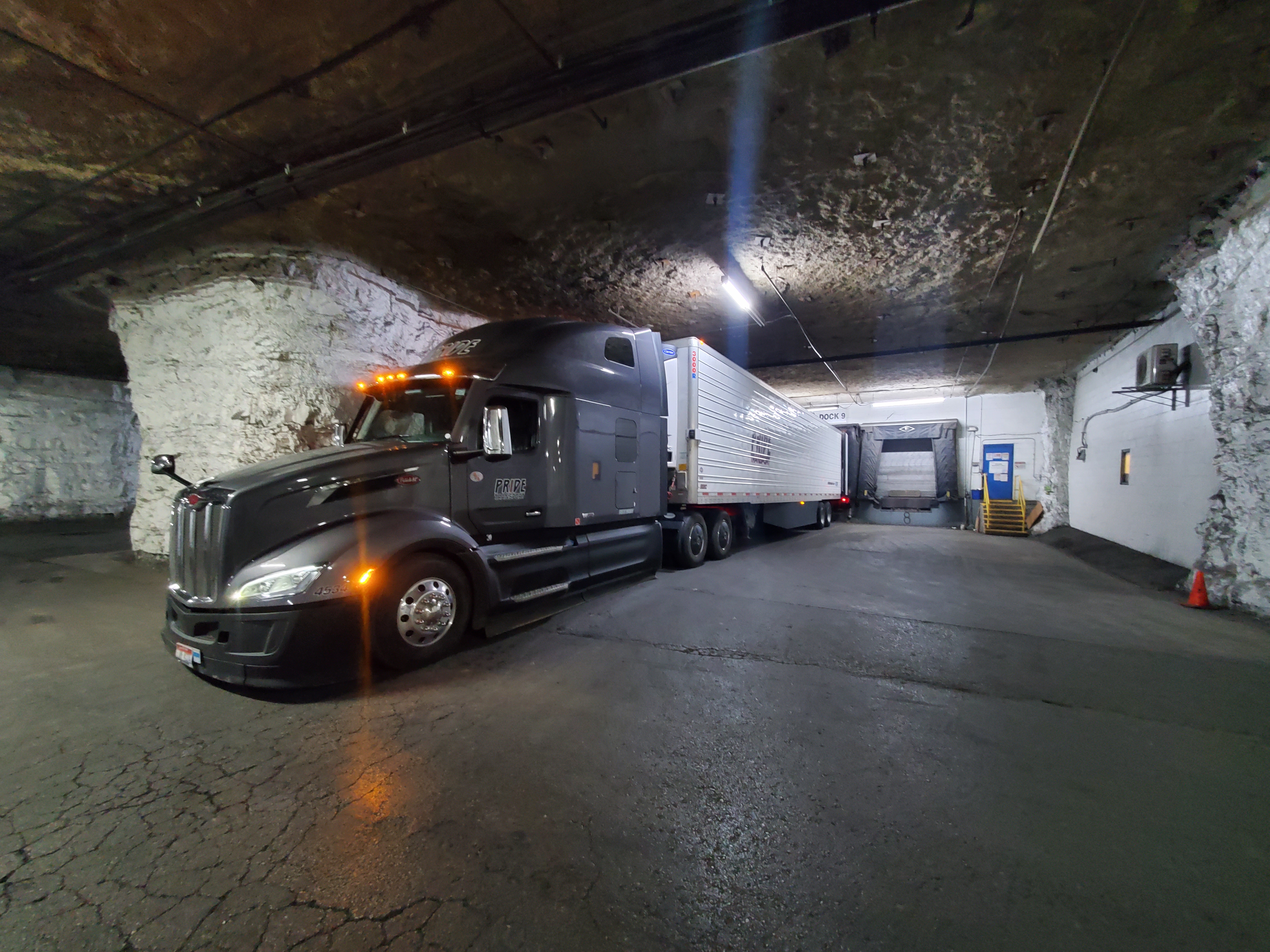
Not every loading dock offers the same amount of maneuvering room. Some facilities have narrow approaches, tightly spaced trailers, uneven pavement, or obstacles near the dock entrance.
Before backing, inspect the dock area and identify anything that could interfere with your trailer's path. Pay attention to dock bumpers, adjacent equipment, and the space needed to straighten your trailer.
If your angle changes during the maneuver or you lose sight of an important reference point, stop and check again.
Parking at Truck Stops and Rest Areas
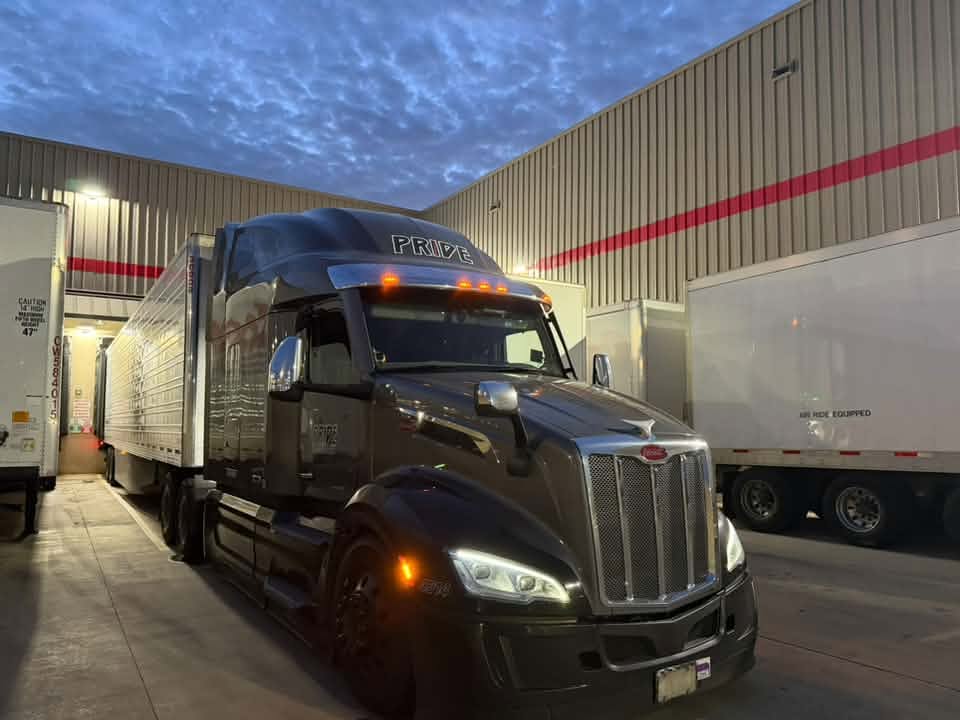
Crowded truck stops present their own challenges. Trucks may be parked at different angles, drivers may be walking between vehicles, and traffic can continue moving around your setup.
A parking space that looks manageable from the cab might have less clearance than expected.
GOAL helps you confirm the position of neighboring trucks and identify potential obstacles before backing into the space. It's particularly valuable at night, when shadows and limited lighting make distances harder to judge.
Navigating Tight Yards and Customer Facilities
Distribution centers, industrial yards, and older delivery locations aren't always designed with generous turning space.
You may encounter low clearances, fencing, parked trailers, or unfamiliar traffic patterns. Before attempting a tight maneuver, inspect your intended path and determine whether you have enough room to complete it safely.
If conditions change, reassess rather than forcing the truck through a questionable opening.
How to Make GOAL Part of Your Backing Routine
GOAL works best when it's treated as a normal part of the maneuver rather than something you only do when a situation becomes difficult.
Before backing, secure your truck and walk the area when it's safe to do so. Look at the entire intended path, not just the space immediately behind the trailer. Consider how your tractor and trailer will move as you adjust your angle.
Pay particular attention to:
- Trailer clearance: Check both sides of the trailer, including its rear corners and swing path.
- Ground-level hazards: Watch for curbs, posts, debris, and other objects that may not appear in your mirrors.
- Overhead obstacles: Identify low structures, pipes, or other clearance restrictions.
- Pedestrian activity: Look for workers or drivers who could enter your backing path.
Once you're back in the cab, continue monitoring your mirrors and surroundings. Remember that your inspection only confirms conditions at that moment. People and vehicles can move into the area afterward.
If something no longer looks right, stop and reassess.
The OSHA guidance on safe semi-tractor operation also recommends avoiding blind-side backing whenever possible and using additional precautions when it cannot be avoided.
Using GOAL Alongside Spotters and Safety Technology
Backup cameras, proximity sensors, and spotters can provide valuable assistance, but none should replace a driver's responsibility to verify clearance.
When working with a spotter, establish clear signals and expectations before moving. Make sure the spotter stays visible and remains outside the truck's path.
OSHA's backing safety recommendations emphasize maintaining visual contact between drivers and spotters. If you lose sight of your spotter, stop immediately.
Technology can also help identify hazards, but cameras have limited viewing angles, and sensors may not detect every obstruction. GOAL provides another layer of protection by allowing you to evaluate the situation directly.
Professional Driving Means Knowing When to Stop
One of the biggest differences between simply operating a truck and driving professionally is knowing when to slow down and reassess.
Delivery appointments, crowded facilities, and long workdays can create pressure to keep moving. However, rushing through a difficult backing maneuver rarely saves time if something goes wrong.
Experienced drivers understand that taking another look is not a sign of uncertainty. It's a practical decision based on the conditions in front of them.
At Pride Transport, we've shared additional advice in our article on top safety tips from professional truck drivers, including the importance of patience, awareness, and careful backing.
These habits matter because professional driving involves more than safely covering highway miles. It also means protecting your equipment, your surroundings, and everyone working near your truck.
What Safety-First Trucking Jobs Look Like at Pride
At Pride Transport, safety is part of our everyday operations, not just something we talk about during orientation. We encourage drivers to use their experience and good judgment, including knowing when to stop, reassess, and take another look. For those exploring CDL careers, truck driving jobs, or class A driver jobs, Pride offers a safety-focused environment where doing the job right matters more than rushing through it.
Take Pride in Every Safe Maneuver
GOAL may only take a few minutes, but it's one of the simplest ways to reduce unnecessary risks during a workday. Whether you're backing into a familiar dock or navigating an unfamiliar customer facility, getting out and looking helps you make informed decisions before moving thousands of pounds of equipment.
At Pride Transport, we know that professional drivers take pride in doing the job right, even when nobody is watching. Safe backing habits, careful planning, and the willingness to stop when conditions are uncertain all reflect the experience and professionalism that keep drivers successful.
Looking for CDL A jobs with a company that takes safety seriously? Take a look at our truck driving jobs, or see what driving out of Salt Lake City looks like.