by Pride Transport | Nov 19, 2026
Thanksgiving is one of the busiest travel periods of the year, bringing millions of additional vehicles onto highways across the country. For professional truck drivers, that means sharing familiar routes with more passenger vehicles, unpredictable traffic patterns, and drivers who may not be accustomed to traveling long distances.
According to AAA's 2025 Thanksgiving travel forecast, approximately 82 million Americans were expected to travel at least 50 miles from home during the Thanksgiving holiday period, with most traveling by car. While 2026 travel numbers have yet to be confirmed, professional truck drivers should prepare for another busy holiday travel period, with increased congestion on major highways and interstates. Heavier traffic can create additional challenges for drivers managing delivery schedules, navigating crowded roads, and maintaining safe operating conditions.
At Pride Transport, we understand that holiday driving requires additional awareness and preparation. Knowing what to expect and making adjustments before traffic becomes a problem can help drivers navigate Thanksgiving week safely and efficiently.
Understand When Holiday Traffic Is Heaviest
Thanksgiving traffic does not follow the same patterns as a typical workweek. Instead of predictable morning and evening commutes, congestion can build throughout the day as families travel between cities and states.
Historically, the Wednesday before Thanksgiving and the Sunday afterward have been particularly busy travel days. Based on AAA's forecast, Tuesday and Wednesday afternoons were expected to experience significant congestion, while Sunday return traffic was anticipated to remain heavy for much of the day.
For truck drivers, these patterns matter when planning routes through major metropolitan areas and heavily traveled interstate corridors.
When possible, consider how your scheduled departure and arrival times overlap with peak holiday travel. Even shifting a fuel stop or adjusting the timing of a planned break may help you avoid particularly congested areas.
Keep in mind that traffic forecasts are estimates, not guarantees. Accidents, construction, and weather conditions can change traffic patterns quickly, making real-time updates especially valuable.
Expect More Unpredictable Passenger Vehicle Behavior
Experienced truck drivers understand that passenger vehicles do not always leave enough room around commercial trucks. During Thanksgiving week, these situations can become more frequent as unfamiliar drivers navigate busy highways.
Some motorists may make sudden lane changes to reach an exit, brake unexpectedly when approaching congestion, or attempt to merge into spaces that are too small for safe maneuvering.
The Federal Motor Carrier Safety Administration (FMCSA) recommends checking mirrors regularly and scanning well ahead of the truck to identify developing hazards.
During holiday travel, pay particular attention to vehicles approaching entrance ramps, drivers slowing near highway interchanges, and cars traveling alongside your trailer.
Avoid assuming that surrounding motorists understand your stopping distance or blind spots. Maintaining awareness of their positioning gives you more time to respond when someone makes an unexpected move.
Adjust Following Distance for Congested Highways
Maintaining a safe following distance is always important, but Thanksgiving traffic creates situations where that space can disappear quickly.
Passenger vehicles frequently move into gaps between commercial trucks, particularly when traffic begins slowing. While this can be frustrating, responding by closing the gap only reduces your available reaction time.
Instead, gradually reestablish a safe following distance whenever another vehicle enters your lane.
The FMCSA's guidance on following distance emphasizes adjusting the space between vehicles based on road conditions, visibility, and traffic.
This becomes especially important when approaching congestion at highway speeds. A line of brake lights ahead may indicate traffic slowing much faster than expected.
Look beyond the vehicle directly in front of you whenever visibility allows. Recognizing changes in traffic flow early gives you more time to reduce speed smoothly and avoid unnecessary hard braking.
Plan for Increased Traffic Around Rest Areas and Truck Stops
Highway congestion is not the only challenge during Thanksgiving week. Rest areas, fuel stations, and travel centers may also experience increased demand from holiday travelers.
For truck drivers operating under hours-of-service requirements, finding appropriate parking remains an important part of trip planning. A location that normally has available parking may be more crowded than expected, especially near major interstate junctions or popular travel destinations.
Before beginning your trip, identify several suitable stopping locations along your route. Consider where you expect to be when your available driving hours begin running low, and avoid relying on a single parking option.
Holiday traffic can also create longer lines at fuel islands and congested entrances to travel centers. Allowing extra time for these stops helps prevent unnecessary pressure later in the trip.
The goal is to maintain flexibility without compromising your required rest periods or safe parking practices.
Stay Alert for Impaired and Distracted Drivers
Thanksgiving celebrations often involve gatherings, late-night travel, and alcohol consumption. Unfortunately, that combination can increase the risk of encountering impaired drivers.
According to the National Highway Traffic Safety Administration's Thanksgiving safety information, 910 people were killed in alcohol-impaired driving crashes during Thanksgiving holiday periods from 2020 through 2024.
For professional drivers, recognizing potentially dangerous behavior is particularly important during evening and overnight hours.
Watch for vehicles drifting between lanes, traveling at inconsistent speeds, braking without an apparent reason, or making unusually abrupt steering corrections. If another driver appears impaired, create additional space rather than attempting to pass immediately or remain alongside the vehicle.
When appropriate, report dangerous driving to law enforcement once you can do so safely. Avoid engaging with aggressive motorists or taking actions that could escalate an already hazardous situation.
Your priority should always be maintaining control of your truck and protecting the space around it.
Prepare for Changing Late-November Weather
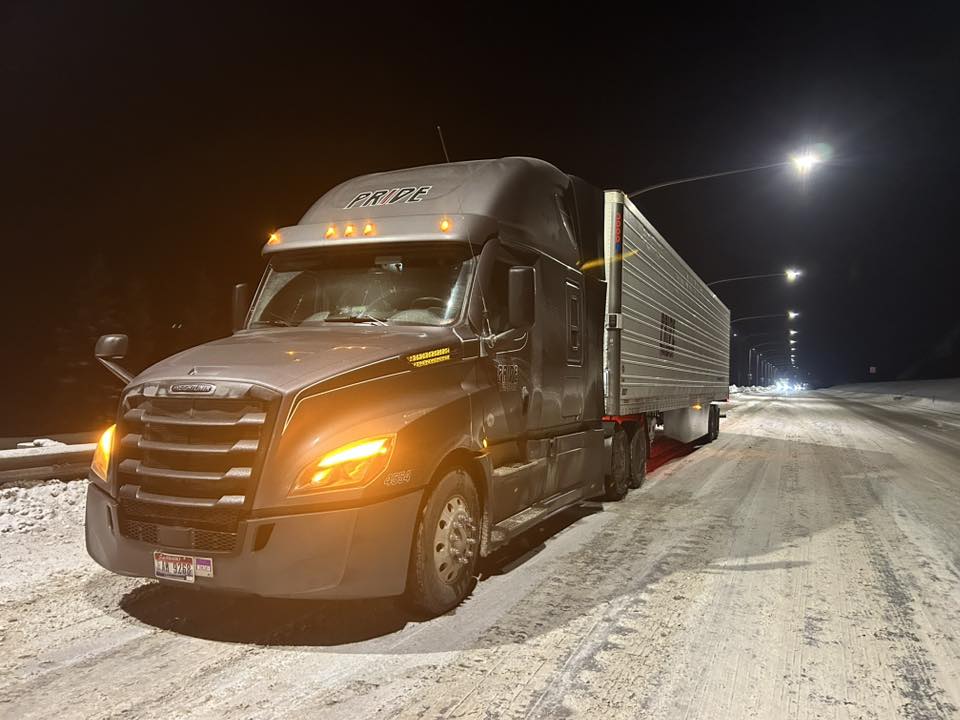
Thanksgiving falls during a period when weather conditions can vary significantly across the country. Drivers traveling through multiple regions may encounter rain, fog, freezing temperatures, or early-season snow within the same trip.
These conditions become especially challenging when combined with heavy traffic and reduced visibility.
Before departure, review forecasts along your entire route, including mountain passes and areas where temperatures may fall below freezing overnight. Pay attention to bridge surfaces, shaded roadways, and elevated sections of highway where ice can develop before surrounding pavement becomes slippery.
Adjust your speed and following distance based on actual conditions rather than relying solely on posted speed limits.
For additional seasonal guidance, check out Pride Transport's article on top winter weather driving tips from truck drivers. It covers practical considerations for managing equipment, traction, and changing winter conditions.
Keep Your Schedule Flexible Without Sacrificing Safety
Holiday traffic can make even familiar routes difficult to predict. A trip that normally takes several hours may require significantly more time when congestion, accidents, or weather delays occur.
For professional drivers, those delays can affect delivery appointments, available driving hours, and planned rest stops. Communicating potential delays early is one of the best ways to manage these situations. If traffic conditions begin affecting your estimated arrival time, keep dispatch informed rather than waiting until a delay becomes unavoidable.
Avoid trying to recover lost time through aggressive driving, shortened following distances, or rushed stops.
Professional driving requires balancing efficiency with sound judgment. During Thanksgiving week, maintaining that balance is particularly important because many surrounding motorists may be distracted or unfamiliar with the roads they are traveling.
Make Safety the Priority This Thanksgiving Week
Thanksgiving brings additional challenges to the road, but experienced truck drivers already have the skills needed to manage them. Anticipating heavier traffic, allowing extra space around the truck, and preparing for changing conditions can make a meaningful difference throughout the holiday.
At Pride Transport, we recognize the professionalism and dedication it takes to keep freight moving during one of the busiest travel periods of the year. We value drivers who approach every trip with preparation, patience, and a commitment to safety.
If you are looking for a company that respects your experience, prioritizes safety, and understands the demands of life behind the wheel, we would be proud to have you on our team. Explore open driving opportunities with Pride Transport today and take the next step in your driving career!