by Pride Transport | Jan 22, 2026
Keeping your semi truck in top operating condition means staying ahead of routine maintenance. One of the most critical yet often overlooked maintenance tasks is knowing when to change your engine’s air filter. A clean air filter helps your diesel engine breathe properly, maintains fuel efficiency, protects internal components, and boosts overall performance. In this article, we will walk you through everything professional drivers need to know about air filter replacement so you can keep your truck performing at its best.
Why the Air Filter Matters
The air filter in your semi truck plays a simple but vital role. It cleans the air entering the engine by trapping dust, dirt, and other airborne particles. Clean air supports the precise air to fuel mixture needed for efficient combustion. When an air filter becomes clogged with debris, airflow is restricted, and your engine has to work harder to produce power. Over time, that stress can reduce fuel economy, decrease engine performance, and even contribute to premature wear on internal engine components such as pistons and cylinder walls.
For drivers, that means potentially lower miles per gallon, reduced hauling power, and more frequent repairs. A properly maintained air filter protects your engine, helps you remain compliant with emission standards, and ensures reliability on the road.
Recommended Replacement Intervals
There is no one size fits all interval for air filter replacement because conditions vary widely between drivers and routes. However, most heavy duty diesel manufacturers and industry experts recommend specific guidelines to keep your filters working effectively.
For semi trucks operating under normal highway conditions, many service recommendations fall in a range of approximately 15,000 to 30,000 miles. Some sources suggest that under cleaner environments, replacement can be closer to the higher end of that range.
In other guidance, filters may be replaced as often as 30,000 to 50,000 miles as a general baseline for larger semi trucks.
The most accurate interval is what the truck manufacturer specifies in the owner’s manual. Always check that first because it is tailored to your engine model and filtration system.
Drivers working in severe service situations may need to replace the air filter far sooner. Operating frequently on dusty rural roads, construction zones, unpaved surfaces, agricultural areas, or regions with heavy particulate matter will accelerate how quickly the filter gets clogged. In those conditions, some technicians recommend inspecting the filter every 10,000 to 15,000 miles, or even more often, and replacing it as needed based on what you see during inspection.
Signs It Is Time to Change the Air Filter
Waiting for a mileage interval alone can be risky if your operating environment accelerates filter contamination. Professional drivers use observable signs to decide when the filter needs attention. Common indicators that it may be time to change your air filter include:
Reduced Fuel Efficiency
When airflow is restricted by a dirty filter, the engine compensates by burning more fuel, leading to a noticeable drop in miles per gallon.
Loss of Engine Power
If your truck feels sluggish, struggles to maintain speed under load, or hesitates when accelerating, restricted air intake could be a factor.
Visible Dust and Debris
A simple visual check can tell you a lot. Pulling the filter and holding it up against a light will show how much dirt is trapped. If light barely shines through the filter media, replacement is due.
Black Exhaust Smoke
An imbalance in the air to fuel ratio caused by restricted airflow can lead to incomplete combustion, which shows up as darker colored exhaust.
Unusual Engine Noises
Strange sounds, such as coughing or popping under load, may indicate your engine is struggling to breathe properly.
Regular visual inspections are a simple but highly effective way to catch filter issues early. Many drivers make this part of their routine checks at every oil change or scheduled inspection.
How to Inspect and Replace the Air Filter
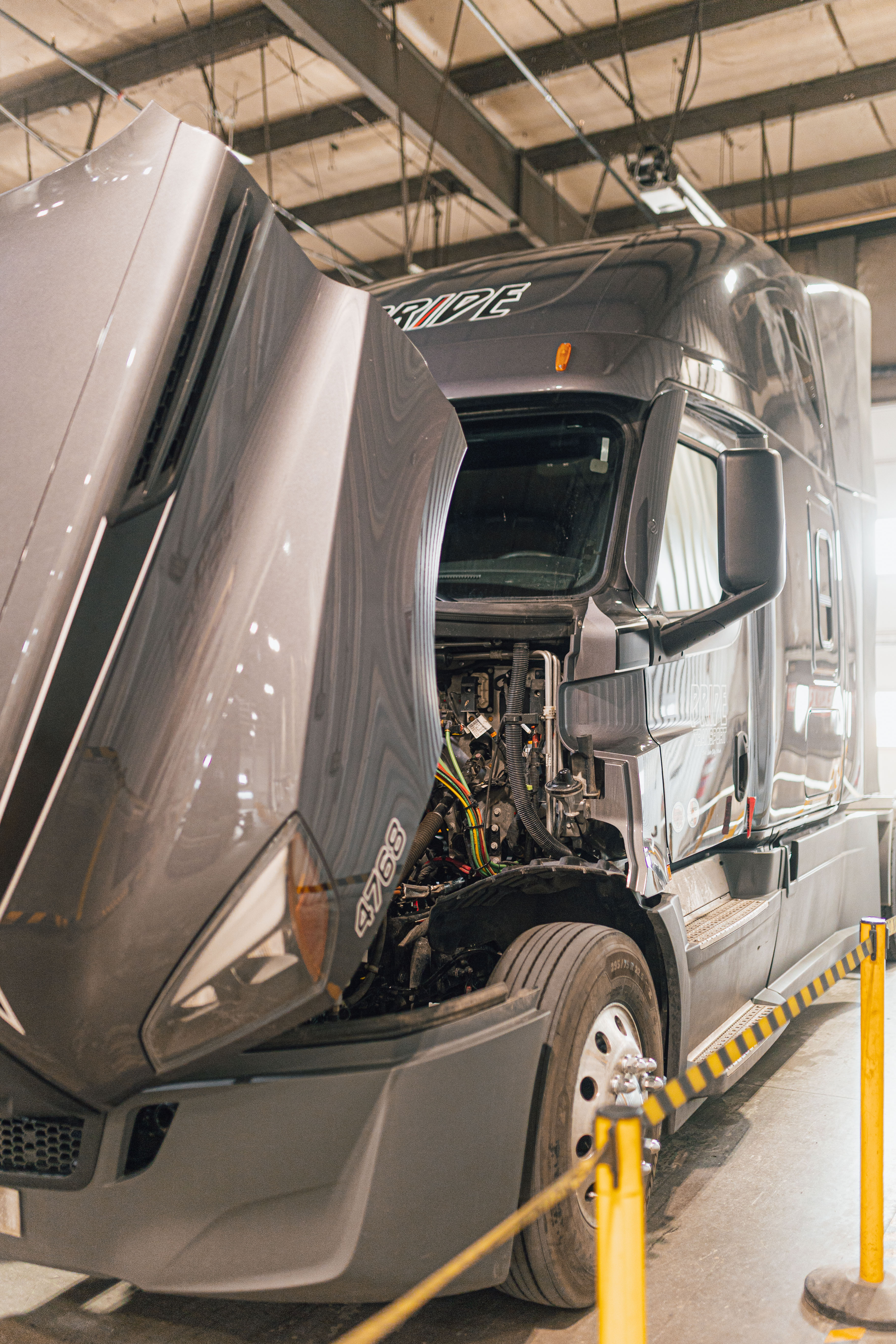
Inspecting the air filter is straightforward. Locate the air filter housing near the engine intake, release the clamps or bolts, and remove the filter cartridge. Hold it up to a light source and look for how much debris and darkness is present in the filter pleats. If you can see clear light through most of the filter, it may still be serviceable. If not, it is time to replace it.
Replacement itself does not require advanced tools. After removing the old filter, clean any loose dirt or dust from the housing, then install a new filter that matches your engine’s specification. Make sure the seal sits correctly so that unfiltered air cannot bypass the filter media.
While many drivers handle air filter replacement themselves, professional service is also an option. A skilled technician can not only change the filter but also perform a full inspection of the intake system to ensure there are no other issues.
Choosing the Right Filter
Not all filters are created equal. Using a high quality filter that meets or exceeds the original equipment manufacturer’s specification is key. Cheap or improperly sized filters can fail prematurely or allow contaminants to enter the engine. Some filters also come with enhanced media that traps smaller particles and lasts longer in harsh conditions. Always use a filter that is specifically made for your truck’s engine model.
Why Timely Replacement Pays Off
When you change the filter on schedule and before it becomes severely clogged, you protect multiple aspects of your truck’s performance:
- Extended Engine Life
Clean air protects the cylinders, pistons and rings from abrasive particles, reducing wear and expensive repairs. - Improved Fuel Efficiency
Your engine can maintain the proper air to fuel ratio, which maximizes combustion and reduces wasted fuel. - Consistent Power and Performance
When airflow is unrestricted, your engine can respond more predictably under load. - Lower Emissions
A well maintained air filter contributes to a cleaner burn, which helps reduce harmful emissions.
Ignoring filter replacement can lead to restricted performance, increased fuel costs, and potential damage that results in costly downtime and repairs.
Staying Ahead of Maintenance for a Smoother Ride
Understanding when to change your air filter is a key part of your preventative maintenance routine as a professional driver. Follow the manufacturer’s guidelines, use visual inspections to catch early signs of contamination, and adjust replacement intervals based on your operating environment. By staying proactive, you keep your engine running clean, efficient, and strong mile after mile.
At Pride Transport, we know how much your truck means to your success on the road. Keeping it maintained is not optional, it is essential. If you have any questions about filter service or other maintenance topics, reach out to your fleet maintenance team for support. Safe driving and strong performance start with smart maintenance.
Ready to Drive With a Carrier That Supports Your Success?
At Pride Transport, we know it takes more than horsepower to build a successful career in trucking. It takes dependable equipment, smart support, and a carrier that treats you with respect every mile. That’s exactly what we offer.
Visit our website to explore opportunities, benefits, and how we help drivers succeed for the long haul.