by Pride Transport | Jan 16, 2026
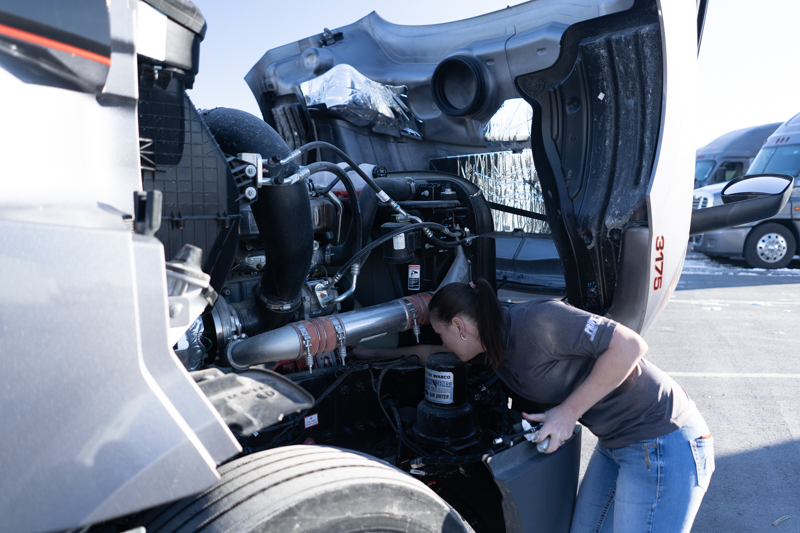
When you are on the road in the middle of a long haul, unexpected equipment failures can happen. As a professional driver, knowing what you can and can not fix legally by yourself matters for safety compliance and staying on schedule. Some situations allow you to safely and legally make roadside repairs. Other issues require certified technicians or roadside assistance. In this article we walk through common roadside repair scenarios and the rules that apply to each. Our focus is on real world situations drivers encounter, the legal considerations, and when it is wise to pause hauling and get proper support.
Understanding what you can and can not fix depends on how critical the part is to safety, whether specialized tools or knowledge are required, and if regulations restrict certain repairs to certified technicians.
Why Knowing Repair Rules Matters
Before we get into specifics, let us talk about why this knowledge is so important for drivers. Safety is always the top priority. Some repairs done incorrectly can increase the risk of accidents. There are also federal regulations on commercial motor vehicles that limit who can perform certain safety related repairs. In addition, you need to protect your own legal liability and your carrier’s compliance record.
Failing to follow the legal requirements can lead to fines during an inspection, out of service orders, and delays. Beyond legal compliance, having the ability to quickly diagnose and fix minor issues can keep you moving and make your day less stressful.
What You Can Typically Fix Yourself
Battery Connections and Jump Starts
If your battery has lost charge, using jumper cables or a portable jump starter to get the truck started is common practice.
When working with batteries, wear protective gloves and eyewear. Check for corrosion on the battery terminals and clean them gently if needed. Always follow correct procedures for connecting and disconnecting cables to avoid sparks or short circuits.
Replacing a battery is often permitted as long as you are following proper safety precautions. Modern batteries are heavy and require careful handling, so if you are uncomfortable with this work, call for professional help.
Tire Changes and Minor Adjustments
Changing a tire on the side of the road is one of the most common repairs drivers perform. Replacing a blown or flat tire is generally allowed as long as you follow all safety guidelines.
Before any tire work, always park in a safe location, apply your parking brake, and use warning devices such as reflective triangles. When you remove a tire, make sure the new tire is properly seated and lug nuts are tightened to the correct torque.
You can also adjust tire pressure if it is low or high. Make sure you use an accurate tire gauge and inflate to the pressure recommended by the manufacturer. Proper tire pressure helps maximize tire life and improves safety.

Replacing Light Bulbs
If a headlight, taillight, or clearance light burns out, drivers can typically replace the bulb by themselves. This is usually a straightforward process requiring only basic tools.
However, make sure the replacement bulb meets the correct specification for the vehicle. Lamps are critical to visibility and safety, and using the wrong type can lead to violations during inspections.
Minor Hose or Belt Adjustments
In some cases, drivers can tighten loose hoses or belts if the adjustment is minor and the tools required are basic. Tightening a loose clamp or replacing a worn hose with a spare can keep you going until you reach your destination or a service facility.
Only make adjustments if you understand the system and if the job does not require specialized knowledge or tools. If there is any doubt, it is better to wait for a trained technician.
Repairs You Can Not Legally Perform Yourself
Brake System Overhauls
The brake system is one area where the law and safety guidelines are clear. Complex brake repairs such as replacing brake pads, calipers, or adjusting brake cams are typically not legal for drivers to perform on their own unless they have specific training and certification.
The Federal Motor Carrier Safety Regulations (FMCSRs) require that certain brake adjustments and repairs be done by qualified personnel. In many cases roadside brake overhauls fall under that requirement. Improper brake work can lead to catastrophic failure.
If your brakes are malfunctioning and the issue is not a minor adjustment like topping up brake fluid, call roadside assistance or a certified brake technician.
Steering and Suspension Repairs
Steering and suspension systems are critical for safe operation. These include ball joints, tie rods, steering gears, leaf springs, and shock absorbers. Major repairs to these systems require specialized skills and tools and are typically not allowed for drivers to perform.
You can inspect these parts visually and look for damage or wear. But do not attempt to replace steering or suspension components yourself. Contact maintenance support and wait for professionals.
Engine Rebuilds and Major Mechanical Work
Fixing major engine issues such as internal component failure, turbocharger issues, or replacing complex assemblies is not permitted. These repairs require specialized training and tools. Even experienced drivers should not attempt them on the roadside.
Diagnosing a serious engine problem is fine. Helping your maintenance team by reporting accurate symptoms can make the repair quicker once help arrives. But do not attempt in depth mechanical work yourself.
Electronic Control Module Reprogramming
Modern trucks rely heavily on electronic control modules (ECMs) for engine, transmission, and braking management. Some issues require reprogramming or software updates. This work can only be done by trained technicians with OEM approved diagnostic tools.
Attempting to reflash or reprogram an ECM without authorization or proper tools can damage the system and potentially violate warranty or regulatory requirements. Leave this work to professionals.
Tools Every Driver Should Carry
Even though not all repairs are allowed, there are basic tools and spares worth keeping on board. These help you perform the repairs you are permitted to do and diagnose issues to relay accurate information.
Essential tools and items include:
- Lug wrench and torque wrench for tire changes
- Portable jump starter and jumper cables
- Work gloves and safety eyewear
- Tire pressure gauge
- Flashlight with extra batteries
- Basic socket set and adjustable wrench
- Spare bulbs and fuses
- Hose clamps and basic hose repair tape
Keeping these tools organized and accessible can save you time and make roadside situations less stressful.
Best Practices When Facing a Breakdown
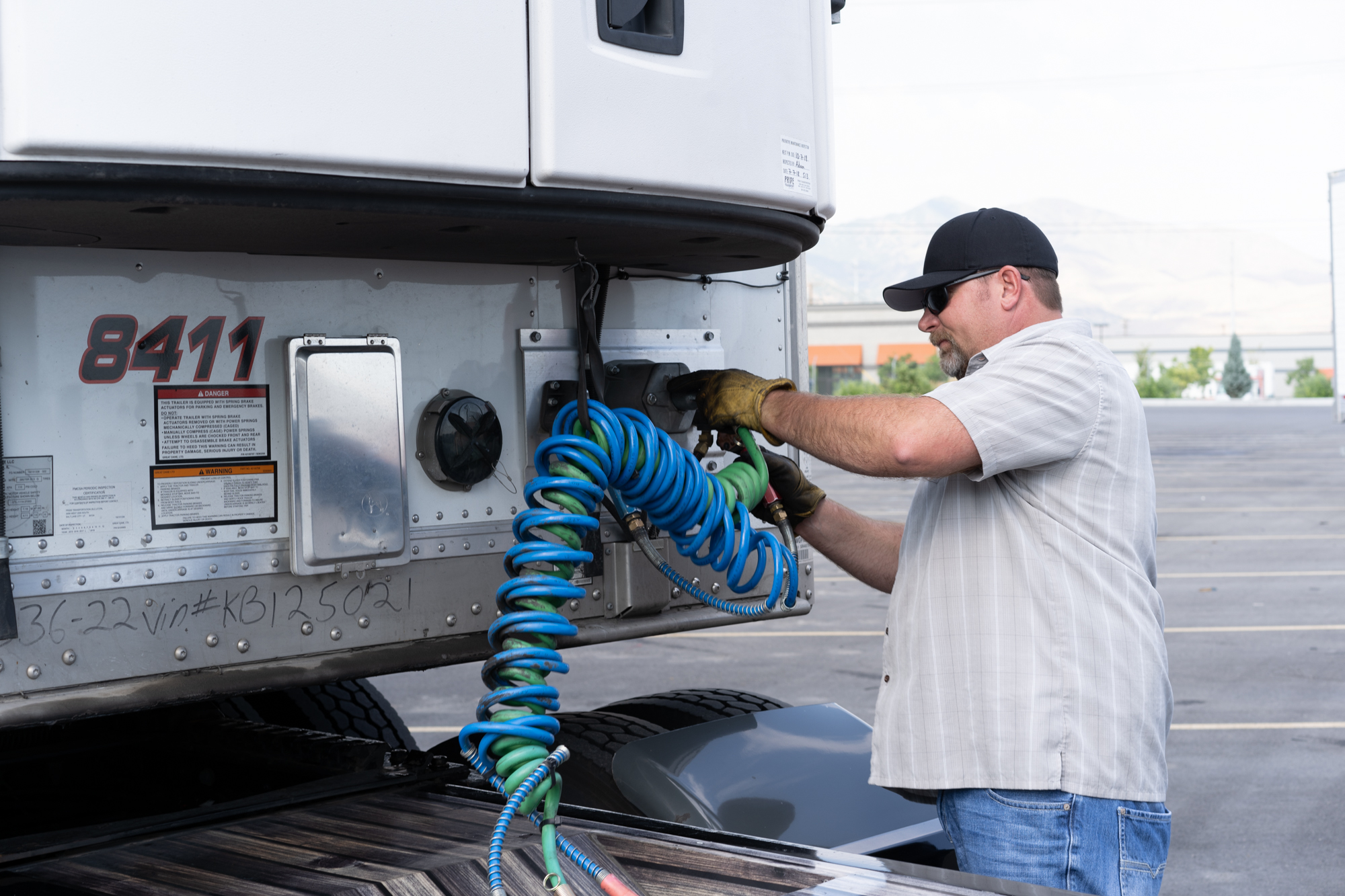
Move to a Safe Location
One of the first steps after a mechanical issue is to get the vehicle to a safe place if possible. Pull off the road, turn on hazard lights, and set out warning devices.
Stopping in a travel lane or close to traffic puts you and others at risk. If you cannot move far off the roadway, at least get clear of traffic lanes.
Notify Your Carrier
Let your fleet manager or dispatcher know about the situation right away. Provide accurate details about what happened, any diagnostic information you have, and your location. This helps your carrier coordinate roadside assistance and support.
Use Professional Roadside Assistance
When a repair is legally restricted or beyond your skill set, call for professional roadside assistance. Pride Transport supports its drivers by providing access to trusted service providers. Calling for help lets you stay compliant with regulations and ensures the repair is done correctly.
Document What Happens
Keep records of the situation including what failed, what actions you took, and the outcome. If an inspection later occurs, having documentation can demonstrate that you handled the situation appropriately. It can also be helpful for maintenance teams reviewing recurring problems.
Knowing When Not to Fix It Yourself
Deciding not to do a repair yourself is just as important as knowing what you can fix. If a repair involves safety related systems like brakes or steering, if it requires special tools, or if you are unsure how to do it correctly, do not attempt it.
Recognize your limits and think of your safety and the safety of others on the road first. Calling in the right help is not a sign of weakness. It is a smart move that keeps you in compliance and protects your career.
Support from Pride Transport
Pride Transport values the professionalism and skill of our drivers. We expect you to be capable and prepared, and we also want you to have the support you need when things go wrong. Our maintenance team is available to help you understand what repairs are permitted and what steps to take when you need assistance.
Ready to Drive With a Carrier That Supports Your Success?
At Pride Transport, we believe drivers deserve more than just a seat behind the wheel. You deserve real support, especially when challenges happen out on the road. From providing the right tools and training to backing you up during unexpected repairs, we’re committed to helping you stay compliant, stay safe, and stay earning.
If you’re a professional driver with a valid CDL and a strong work ethic, we’d love to connect. Pride Transport offers competitive pay, reliable equipment, and a team that’s always in your corner. Check out our Drive With Pride page to learn more about open positions, driver benefits, and what sets us apart as a carrier that truly puts drivers first.