by Pride Transport | Jun 19, 2026
When summer temperatures climb, truck drivers face more than just uncomfortable days behind the wheel. Heat can have a serious impact on equipment, especially trailer tires. While tire problems can happen at any time of year, hot weather significantly increases the risk of heat-related damage, tread separation, and blowouts.
Many tire failures don't happen without warning. In most cases, tires show signs of excessive heat stress long before a roadside emergency occurs. Knowing what to look for can help drivers identify problems early, prevent costly downtime, and stay safer on the road.
What Summer Heat Can Do to Tires
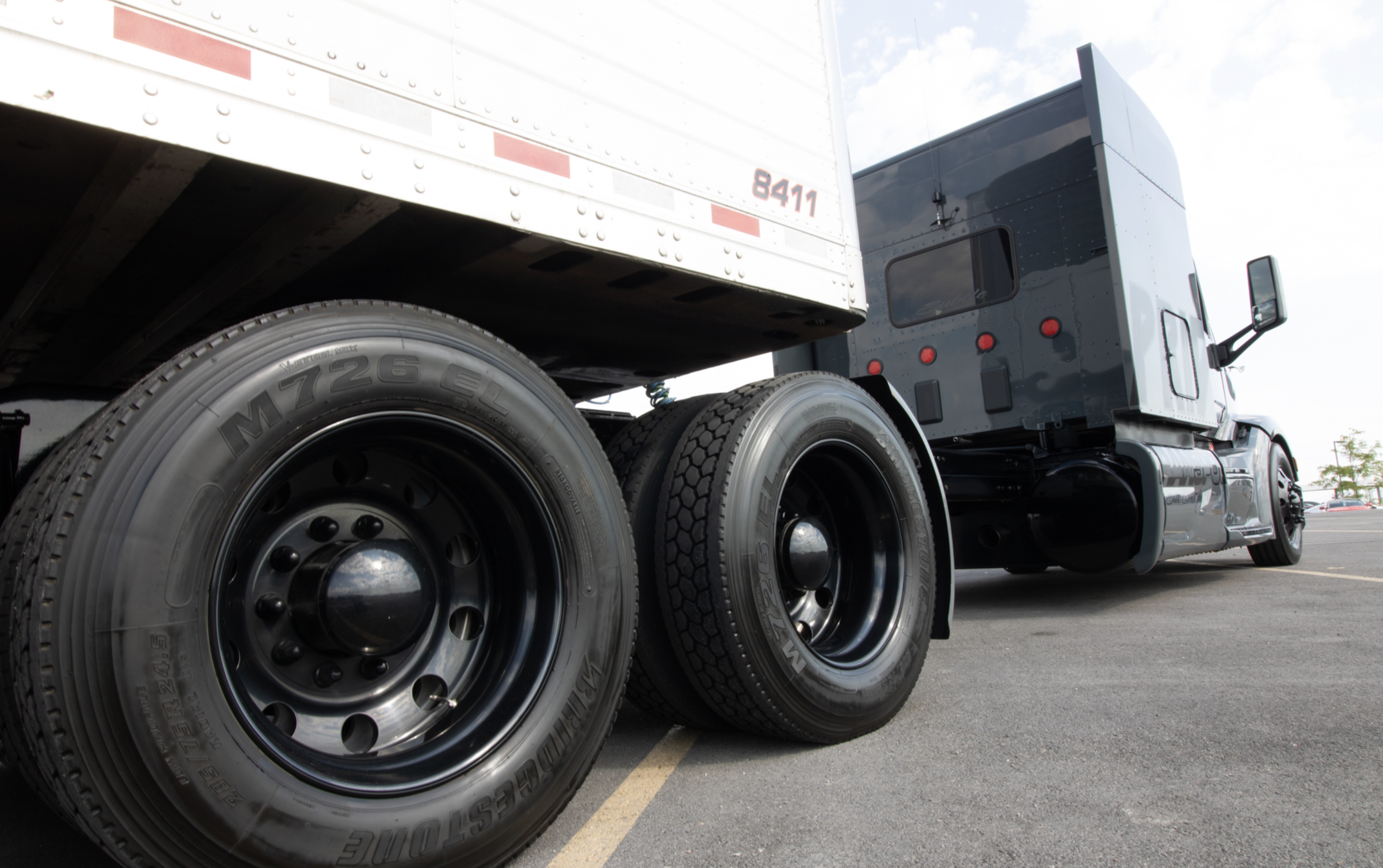
Summer heat puts additional stress on every tire on the road. As temperatures rise, trailer tires must handle hot pavement, heavy loads, and long stretches of highway driving, all of which can increase tire temperatures and accelerate wear.
Heat becomes especially problematic when combined with underinflation, overloading, or existing tire damage. These conditions can weaken tire components over time, increasing the risk of tread separation, blowouts, and unexpected roadside breakdowns.
The good news is that heat-stressed tires often provide warning signs before a failure occurs. Knowing what to look for can help drivers catch problems early and avoid costly downtime.
Signs Your Trailer Tires Are Heat-Stressed
Fast or Uneven Tread Wear
One of the first signs of a problem is unusual tread wear. If one trailer tire is wearing faster than the others, heat could be contributing to the issue. Excessive temperatures can accelerate wear and magnify existing problems related to inflation, alignment, or load distribution.
Pay attention to wear patterns that suddenly appear or worsen during the summer months. Catching abnormal wear early can help prevent more serious tire damage down the road.
Sidewall Damage
The sidewall often provides some of the clearest warning signs of heat stress. Excessive heat can cause rubber to age more quickly, leading to cracking, discoloration, or a dry appearance.
Drivers should also watch for bulges or blisters. These deformities can indicate internal damage and should never be ignored. A tire with a compromised sidewall may be at a much greater risk of failure, especially under heavy loads and high temperatures.
Pressure Problems
Heat and tire pressure are closely connected. A tire that repeatedly loses air can generate even more heat as it flexes during operation.
If you're constantly adding air to the same tire or receiving pressure alerts, it's worth investigating the cause. What starts as a slow leak can quickly become a much larger issue during hot-weather driving.
Hotter Than the Rest
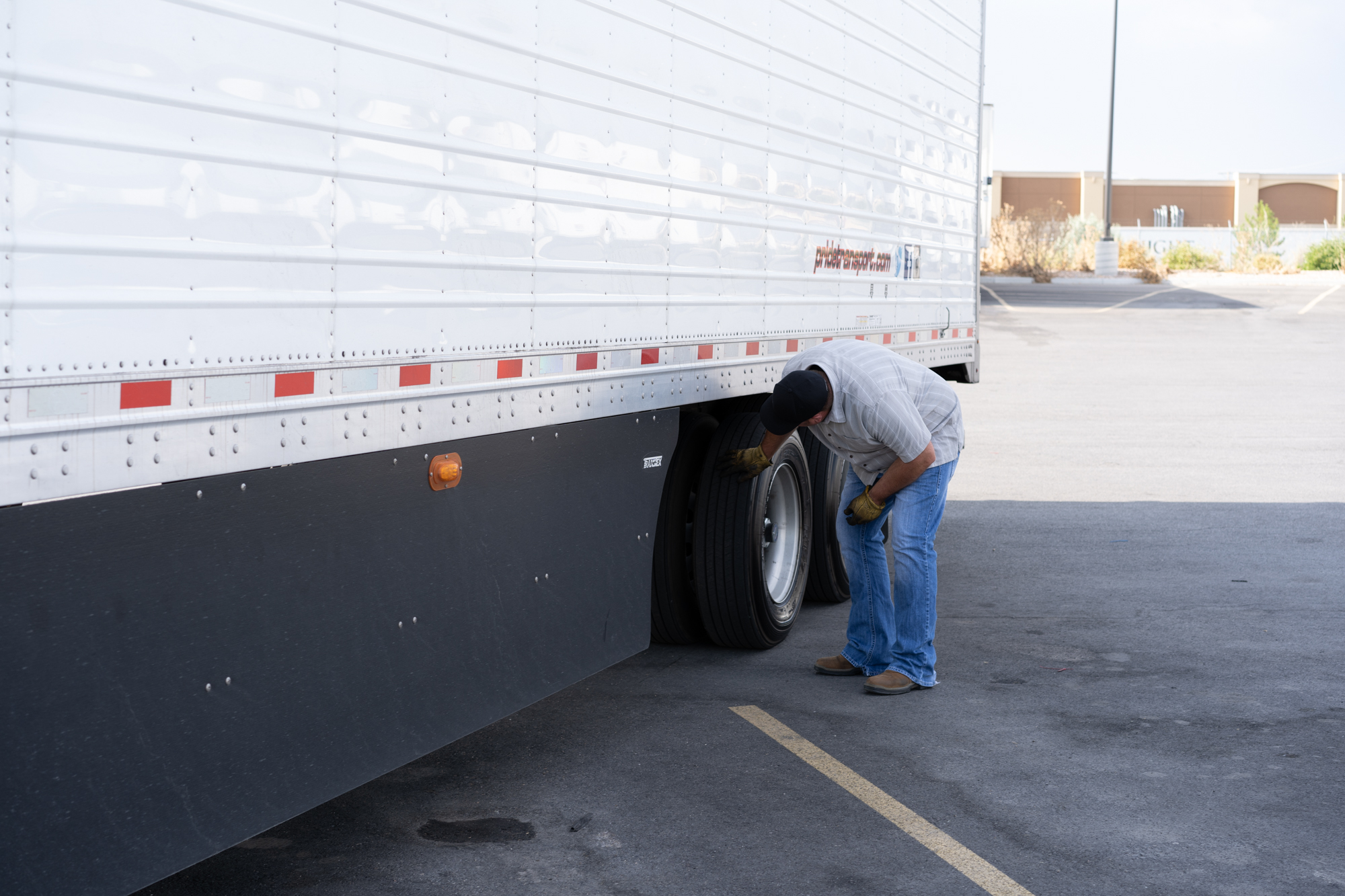
During walk-arounds, compare tires across the same axle. If one tire feels noticeably hotter than the others, it could indicate underinflation, overloading, or internal damage.
Many maintenance teams use infrared temperature guns to identify unusual temperature differences, but even a simple comparison can reveal when a tire deserves a closer look.
Increased Vibration
Sometimes the warning signs aren't visible. Heat-related tire damage can show up as increased vibration before obvious damage appears.
If the trailer begins riding differently or you notice unusual vibration during a trip, don't assume it will resolve itself. A quick inspection may uncover a developing tire issue before it leads to a breakdown.
How to Stay Ahead of Tire Problems
The best defense against heat-related tire issues is consistency.
Regular pre-trip and post-trip inspections remain one of the most effective ways to identify problems before they become serious. Taking a few extra minutes to check tire condition as part of regular semi truck maintenance can go a long way toward preventing failures.
Recognizing the signs of heat-stressed tires is one more way drivers can help keep themselves, their freight, and everyone around them safer on the road.
If you're looking for a company that values safety, quality equipment, and driver support, explore driving opportunities with Pride Transport. Apply today!