by Pride Transport | Jun 16, 2026
For professional truck drivers, summer often means longer daylight hours, warmer temperatures, and more time spent behind the wheel under direct sunlight. While most drivers focus on vehicle maintenance, traffic conditions, and trip planning during the warmer months, it is equally important to pay attention to personal health and sun safety.
Extended exposure to the sun can lead to dehydration, fatigue, sunburn, and long-term skin damage. Because drivers spend so many hours on the road, they face unique challenges that can increase their exposure to harmful ultraviolet (UV) rays, even while sitting inside the cab.
The good news is that a few simple habits can go a long way toward protecting your health throughout the summer driving season. Here are some practical sun safety tips every driver should keep in mind.
Why Sun Safety Matters for Truck Drivers
Many people assume that spending most of the day inside a truck protects them from sun exposure. While the cab provides some protection, UV rays can still penetrate through side windows and windshields. Over time, repeated exposure can increase the risk of skin damage and skin cancer.
Drivers may also spend time outside the truck during inspections, fueling stops, loading and unloading, rest breaks, and daily exercise. Even short periods of exposure can add up over weeks and months on the road.
Sun safety is about more than preventing sunburn. Excessive heat and sun exposure can also contribute to dehydration, headaches, fatigue, and reduced concentration, all of which can impact driving performance and overall well-being.
Use Sunscreen Every Day
One of the simplest ways to protect yourself is by applying sunscreen before starting your day.
The American Academy of Dermatology recommends using a broad-spectrum sunscreen with an SPF of at least 30. Broad-spectrum products help protect against both UVA and UVB rays, which can contribute to skin aging and skin cancer.
Drivers should pay particular attention to areas that receive regular sun exposure, including:
- Face
- Ears
- Neck
- Arms
- Hands
Remember that sunscreen is not a one-time application. If you spend extended periods outside during the day, reapply according to the product instructions.
Keeping a bottle of sunscreen in your truck makes it easy to incorporate into your daily routine.
Wear Protective Clothing
Clothing can serve as an additional layer of defense against harmful UV rays.
Lightweight, breathable long-sleeve shirts can help protect your skin while keeping you comfortable during warmer weather. Many outdoor and athletic clothing brands now offer garments specifically designed with UV protection in mind.
Other useful items include:
- Wide-brim hats for time spent outside the truck
- UV-blocking sunglasses
- Lightweight pants rather than shorts when conditions allow
Sunglasses are especially important for drivers. They help protect your eyes from UV damage while also reducing glare, which can improve comfort and visibility during long daytime drives.
Stay Hydrated Throughout the Day
Hydration plays a major role in helping your body handle heat and sun exposure.
During summer months, drivers can lose fluids quickly, especially when spending time outside the truck. Dehydration can lead to fatigue, dizziness, headaches, muscle cramps, and difficulty concentrating.
A good strategy is to keep multiple bottles of water within easy reach and drink consistently throughout the day instead of waiting until you feel thirsty.
Many drivers also benefit from:
- Limiting sugary drinks
- Moderating caffeine intake
- Choosing water as the primary source of hydration
- Eating water-rich foods such as fruits and vegetables when available
Proper hydration supports both physical health and alertness behind the wheel.
Be Aware of Heat-Related Illness
Sun exposure and high temperatures can increase the risk of heat-related illnesses.
Heat exhaustion can develop when the body struggles to cool itself effectively. Symptoms may include:
- Heavy sweating
- Weakness
- Nausea
- Headaches
- Dizziness
- Muscle cramps
If these symptoms occur, move to a cooler area, hydrate, and rest as soon as possible.
More serious conditions, such as heat stroke, require immediate medical attention. Understanding the warning signs can help drivers respond quickly and avoid dangerous situations.
When temperatures are especially high, consider adjusting outdoor activities whenever possible. Completing inspections or light exercise during cooler morning or evening hours may help reduce exposure to extreme heat.
Protect the Side of Your Body Facing the Window
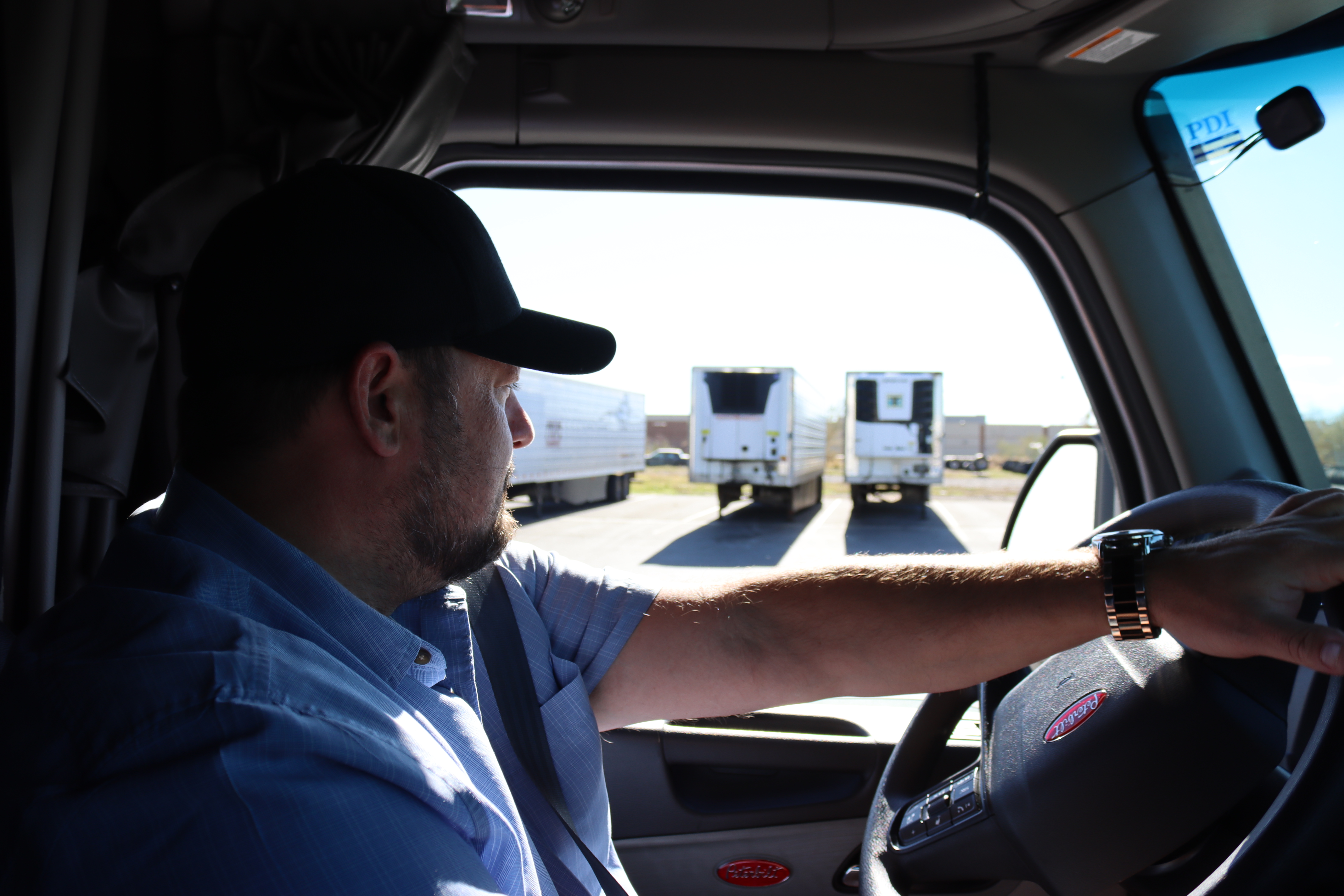
Research has shown that drivers often experience greater sun exposure on the side of the body closest to the window. For most American drivers, this is typically the left side.
Over years of driving, this repeated exposure can lead to uneven skin damage and increase health risks.
Applying sunscreen to your arms, face, neck, and hands before each shift can help minimize this issue. Some drivers also choose to wear lightweight sun sleeves that provide additional protection while maintaining comfort.
If your truck is equipped with UV-protective window treatments that comply with applicable regulations, they may offer additional protection from daily exposure.
Take Advantage of Rest Breaks
Rest breaks provide an opportunity to reset physically and mentally during a long day on the road.
When stopping for breaks, look for shaded areas whenever possible. Spending a few minutes out of direct sunlight can help your body cool down and recover.
This is also a good time to:
- Drink water
- Reapply sunscreen
- Stretch your muscles
- Check for signs of heat stress
Small actions during routine breaks can make a meaningful difference over the course of a long summer trip.
Pay Attention to Your Skin
Truck drivers spend years accumulating sun exposure, which makes regular skin checks important.
Watch for:
- New moles
- Changes in existing moles
- Spots that grow, change color, or bleed
- Areas that do not heal properly
If you notice anything unusual, schedule an appointment with a healthcare professional or dermatologist. Early detection is one of the most effective ways to address potential skin concerns.
Taking a proactive approach to skin health is just as important as maintaining your truck and planning safe routes.
Make Sun Safety Part of Your Daily Routine
Professional drivers spend countless hours on the road each year, often in conditions that expose them to heat and sunlight for extended periods. Protecting yourself from those risks helps support your health, comfort, and performance throughout the summer season.
At Pride Transport, we know that safe driving starts with taking care of yourself. Staying hydrated, protecting your skin, and recognizing the signs of heat-related illness are all part of maintaining a successful career behind the wheel. If you are looking for a company that values driver well-being, prioritizes safety, and supports drivers every mile of the journey, Pride Transport would love to have you apply! Explore our current driving opportunities and see what a career with Pride Transport can offer.