by Pride Transport | Aug 28, 2026
When you're out on the road and see that sign, “DOT Inspection Ahead”, you don’t want to guess whether you're ready. A Level 1 inspection is the most thorough roadside inspection you can face, and it can happen anywhere: a weigh station, a rest area, or on the shoulder. If something's not right, it can lead to delays, fines, or even being placed out of service.
At Pride Transport, we know staying prepared is what keeps you moving. That’s why we’re breaking this down to exactly what matters: why the Level 1 inspection is important, how to stay ready, and what inspectors are really looking for.
Staying Ready Starts with the Basics
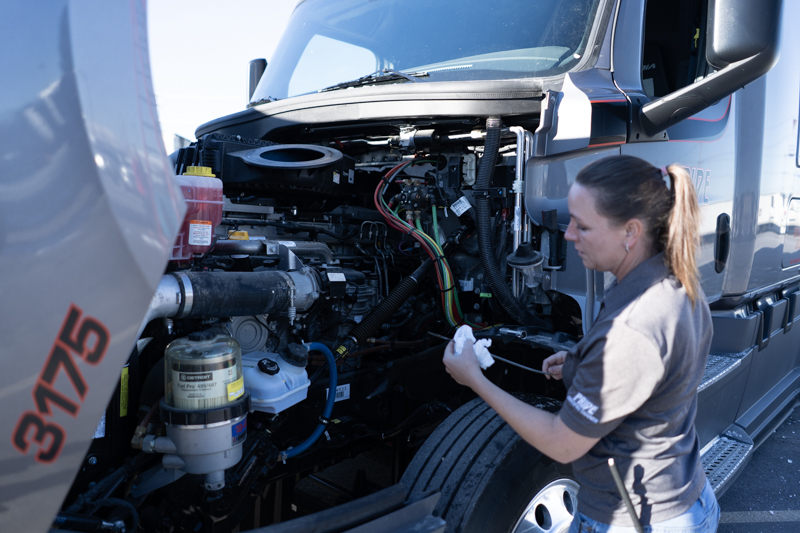
Preparation for a Level 1 inspection should be built into your daily routine. Start with a detailed pre-trip inspection. Don't rush it or check boxes just to get rolling. Walk the truck, listen for air leaks, test your brakes, check your tires, lights, wipers, and look under the hood. Inspect your coupling system and look at your trailer connections. If something seems off, don’t ignore it. Report it and get it fixed before it costs you time on the road.
Your paperwork is just as important as the condition of your truck. Make sure your CDL is current and properly matches the vehicle and load you are running. Your medical card should be up to date and on file where required. An organized permit book goes a long way during a Level 1 inspection. If you operate with a Skill Performance Evaluation waiver, keep that documentation readily available. When your paperwork is complete and easy to review, inspections tend to move more smoothly and it shows inspectors that compliance is a priority.
Your ELD also needs to be ready to go. Confirm that it is functioning correctly and properly registered with the FMCSA. You should be comfortable pulling up your logs and transferring them electronically without having to search through menus. Keeping logs updated throughout the day helps prevent hours of service issues, which remain one of the most common and avoidable violations during inspections.
Just as important is the overall impression you make. A clean cab and organized documents help set a professional tone from the start. When your truck, paperwork, and attitude are all in order, most Level 1 inspections are straightforward and handled without unnecessary delays.
What’s Checked During a Level 1 Inspection:
A Level 1 DOT inspection is one of the most detailed inspections you can encounter, covering both the driver and the vehicle from front to back. Inspectors will review your CDL, medical card, and hours of service logs, and they will be alert for any signs of impairment. They will also confirm proper seatbelt use and may ask to see recent inspection reports. When documentation is expired, missing, or incomplete, it can quickly lead to violations.
On the vehicle side, inspectors take a close look at key safety systems. Brakes are a major focus, including pads, air lines, and pressure levels. Tires are checked for condition and tread depth, and all lighting must be fully operational, from headlights and brake lights to turn signals and clearance lights. Suspension and steering components are inspected for visible damage, excessive wear, or looseness. Inspectors will also review the coupling system, fuel and exhaust systems, windshield and wipers, and overall load securement.
If any of these areas are found to be out of compliance or clearly defective, the inspection can result in citations or the vehicle being placed out of service until repairs are made. That often means unexpected downtime, lost miles, and missed opportunities to keep moving.
The Most Common Issues That Get Drivers Cited
Level 1 inspections are where a lot of violations happen, and they tend to show up in the same areas again and again. Brakes are number one, whether it’s worn pads, leaking air lines, or pressure problems. Lights are another top issue, often because of a burned-out bulb or loose wiring. Tires get flagged for being underinflated, mismatched, or too worn down. ELD problems are common too, especially when logs aren’t current or drivers don’t know how to transfer them properly.
Many inspection violations are completely preventable. In most cases, they trace back to missed pre-trip checks or small issues that were easy to overlook until they showed up at the worst possible moment. That is why we encourage drivers to approach every pre-trip with intention and consistency. A few extra minutes can make the difference between a smooth day and an unexpected delay.
Inspection results also have a lasting impact beyond that single stop. Violations contribute to your CSA score, which plays an important role in your long term driving record. Clean inspections help keep scores down, protect your reputation, and preserve future opportunities on the road.
Keep It Simple and Stay Ahead
The truth is, a Level 1 inspection doesn’t have to be a headache. If you stay sharp on your pre-trips, keep your paperwork clean, and run your equipment right, it becomes a non-event. Most inspectors just want to see that you’re doing the job safely and professionally.
We know inspections are part of the job and we’re here to make sure they don’t derail yours. Ready to roll with a company that keeps you ready for whatever’s down the road?
Drive with Pride. Apply today.