by Pride Transport | Sep 11, 2026
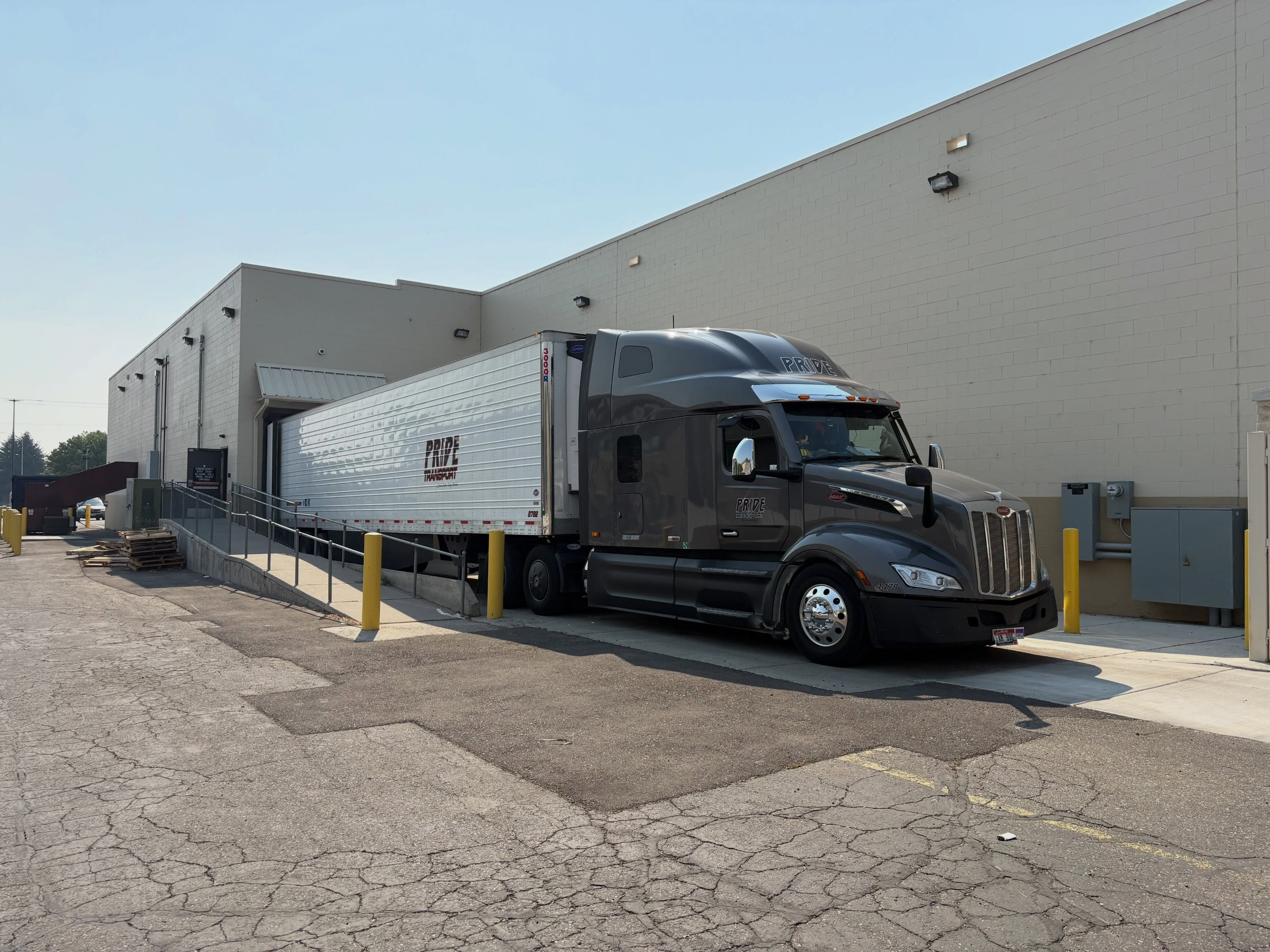
Busy season can change the feel of a shipping or receiving facility quickly. More freight means more trailers, more yard traffic, more dock activity, and often less room to work. A dock that is manageable during a normal week can become a much tighter operation when staging areas fill up and several drivers are trying to get into doors at the same time.
Professional truck drivers already know how to back a trailer. The challenge in a congested dock is not understanding the mechanics of backing. It is managing everything happening around the truck while making a controlled approach.
Pedestrians, yard trucks, parked trailers, forklifts, poorly marked spaces, temporary staging areas, and other drivers can all change the situation within seconds. During the busiest parts of the year, taking a little extra time to understand the facility and control the setup can make the entire loading process safer and smoother.
Size Up the Dock Before You Commit to the Setup
The first few minutes at an unfamiliar facility can tell you a lot about the backing situation you are about to face.
Before committing to an approach, look at the entire area around the assigned door. Check how much space you have in front of the dock, where neighboring trailers are positioned, and whether other equipment is likely to cross your path. Look for fixed objects such as concrete barriers, poles, fences, dumpsters, curbs, and dock structures.
Also pay attention to the surface. Rain, snow, ice, standing water, damaged pavement, and poor lighting can change how you want to approach the space.
Busy yards can change even while you are setting up. A yard truck might drop another trailer beside your door. An employee could walk into the area. Another driver may begin pulling out nearby. That is one reason a good setup should never become a commitment to finish the maneuver exactly as planned. If the situation changes, stop and reassess it.
The Occupational Safety and Health Administration's information on preventing backover incidents highlights the risks created when vehicles and workers occupy the same operating area. That risk deserves particular attention around active loading docks, where vehicle and pedestrian movement frequently overlap.
Use GOAL as Often as the Situation Requires
Get Out And Look is familiar advice to any experienced driver, but tight docks are exactly where it earns its reputation.
Mirrors and cameras provide valuable information, but neither eliminates blind spots or gives you the same perspective as physically checking the area. Getting out lets you verify trailer position, clearance on both sides, overhead obstacles, the distance to the dock, and anything that may have entered the backing area since you started.
There is also no rule saying GOAL is something you do only once.
If the picture in your mirrors stops making sense, get out again. If you lose sight of a critical reference point, stop. If another trailer moves, a forklift appears, or someone walks into the area, reevaluate before continuing.
A few extra minutes spent checking the space is a much better trade than contacting another trailer, damaging equipment, or putting someone in danger.
Do Not Let a Busy Yard Set Your Pace
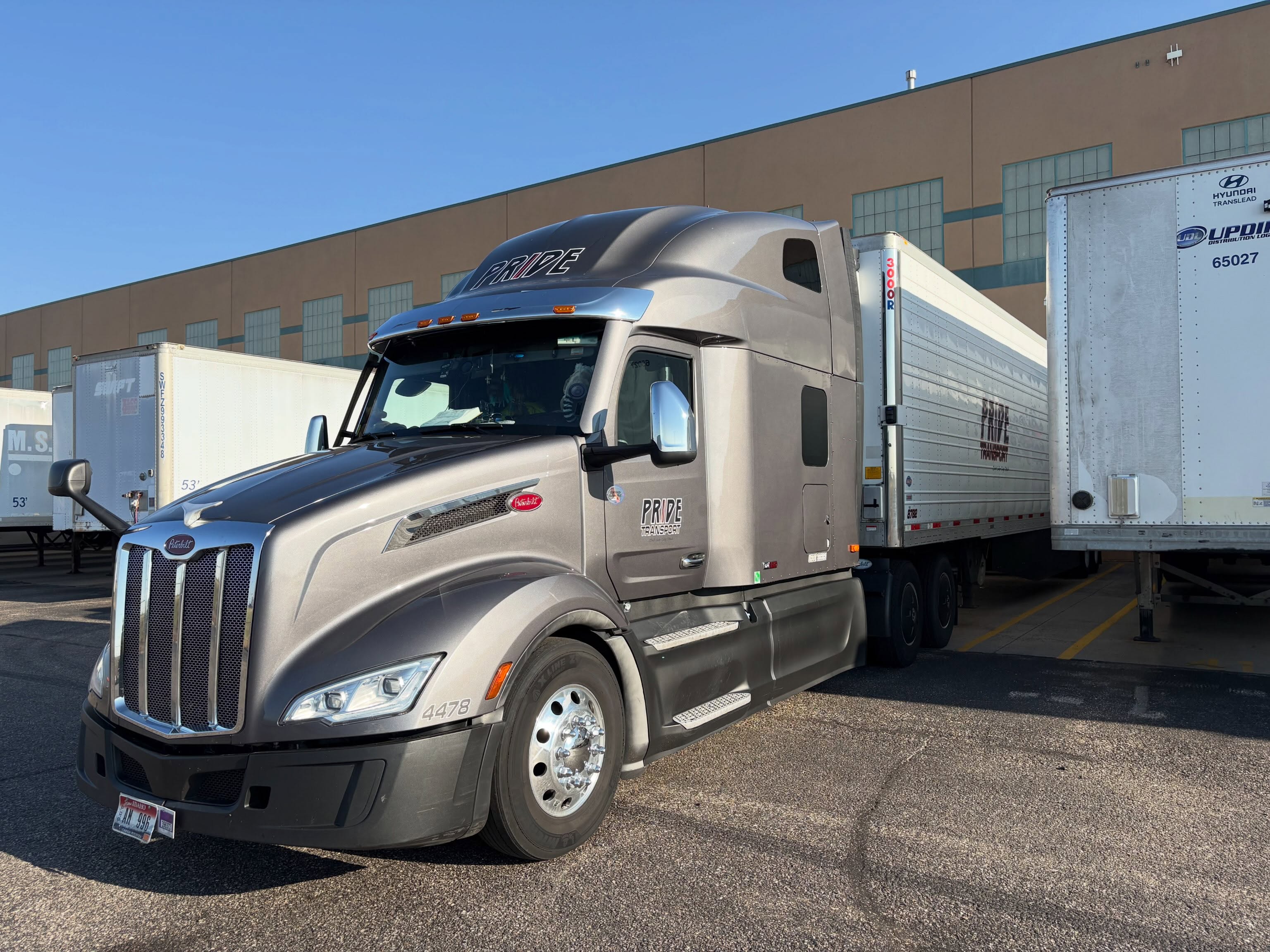
During peak periods, there can be pressure to move quickly. You may have another driver waiting for the space, warehouse employees expecting the trailer, or a line of trucks trying to move through the same section of the yard.
None of those circumstances change the amount of room available to you.
Control the speed of the maneuver and make corrections early. If the setup is not developing correctly, pulling forward and resetting is often the best option. Trying to rescue a poor angle as the trailer gets closer to the dock can leave fewer options and less clearance.
This is also where patience matters. A driver waiting behind you may be ready for you to finish, but that does not mean you need to rush the maneuver. Professionalism at a busy dock means operating at the pace the conditions allow.
Know How You and the Spotter Will Communicate
Some facilities provide a spotter for difficult backing situations. A spotter can be useful, but only when the driver and spotter understand how they are communicating.
When a facility provides a spotter, clear communication matters just as much as having someone outside the truck. Before backing begins, make sure you and the spotter understand the signals being used and that the spotter is positioned where you can maintain visual contact.
A spotter can disappear from view behind a trailer, equipment, or another obstacle quickly. If you lose visual contact or receive a signal that is unclear, stop the truck and reestablish communication before continuing. The spotter can provide another set of eyes, but the driver still needs to be comfortable that the path and maneuver are safe.
Secure the Trailer Before Loading Begins
Getting into the door is only the first part of the process. Once you are positioned, make sure the trailer is properly secured according to the facility's procedures before loading or unloading starts.
This is particularly important when forklifts will enter the trailer.
OSHA requires precautions to prevent trailers from moving while loading and unloading operations are taking place. Its powered industrial truck requirements address setting brakes and using wheel blocks, while OSHA guidance also recognizes properly used mechanical restraint systems that effectively prevent trailer movement. Review OSHA's powered industrial truck requirements.
Facilities may use different procedures and equipment, including dock restraints and wheel chocks. Pay attention to the facility's instructions and dock communication system before assuming loading is ready to begin.
Stay Aware While You Are in the Door
Once the trailer is backed in, the job is not necessarily on autopilot.
Loading can involve repeated forklift movement inside the trailer. Be alert for unusual trailer movement and follow the facility's rules about where drivers should wait during the process. Do not enter restricted loading areas simply because you want to check progress.
Communication matters here, too. Know when loading has actually finished and when the trailer has been released.
A green light, completed paperwork, or verbal instruction may be part of a facility's release process. Procedures vary, so confirm what that specific location requires before pulling away.
Premature pull-away is a serious dock hazard when employees or powered equipment are still inside a trailer. A busy schedule is never a reason to guess whether loading is complete.
Plan for Delays Before They Affect Your Decisions
Busy docks can also mean longer waits. A full staging area, backed-up warehouse operation, unavailable door, or freight that is not ready can turn an ordinary stop into a lengthy one.
Plan for that possibility instead of allowing the delay to influence how you drive or maneuver once a door finally opens.
Document arrival times and follow the proper communication process if the delay becomes significant. Pride Transport has previously covered why this matters in our guide regarding detention pay and how that impacts truck drivers.
Good documentation helps create a clear record of what happened at the facility. More importantly, accepting that delays happen can help keep frustration from following you into the driver's seat when it is finally time to move.
Give Yourself the Room and Time to Do It Right
Tight docks during busy season require the same skills professional drivers use every day, but with less margin for error. The best approach is usually built around awareness, patience, communication, and a willingness to reset when the situation is not right.
Study the dock before backing, GOAL whenever you need another perspective, control the pace of the maneuver, and never let activity around you pressure you into rushing. Once you are in the door, follow the facility's securement and release procedures before loading begins and before pulling away.
At Pride Transport, we know experienced drivers understand that professionalism shows up in places like these. It is not only about getting freight from one point to another. It is about making good decisions when conditions become crowded, schedules get tight, and the easy option is to rush.
If you are looking for a company that values professional driving, safety, and the experience drivers bring to the job every day, take a look at the open driving opportunities with Pride Transport and see where your next mile could take you.