by Pride Transport | Dec 19, 2025
Refrigerated freight is a critical part in the trucking industry. From frozen foods and fresh produce to pharmaceuticals and temperature-sensitive chemicals, these loads require careful handling and a firm grasp of reefer equipment.
Operating a reefer unit takes more than punching in a temperature and hitting the road. Freight safety, equipment longevity, and your own efficiency all depend on knowing how the system works, what to monitor, and how to avoid common mistakes. Whether you're a seasoned reefer driver or just starting to haul refrigerated freight, this guide will walk you through the essentials, plus a few overlooked best practices.
What Is a Reefer Unit?
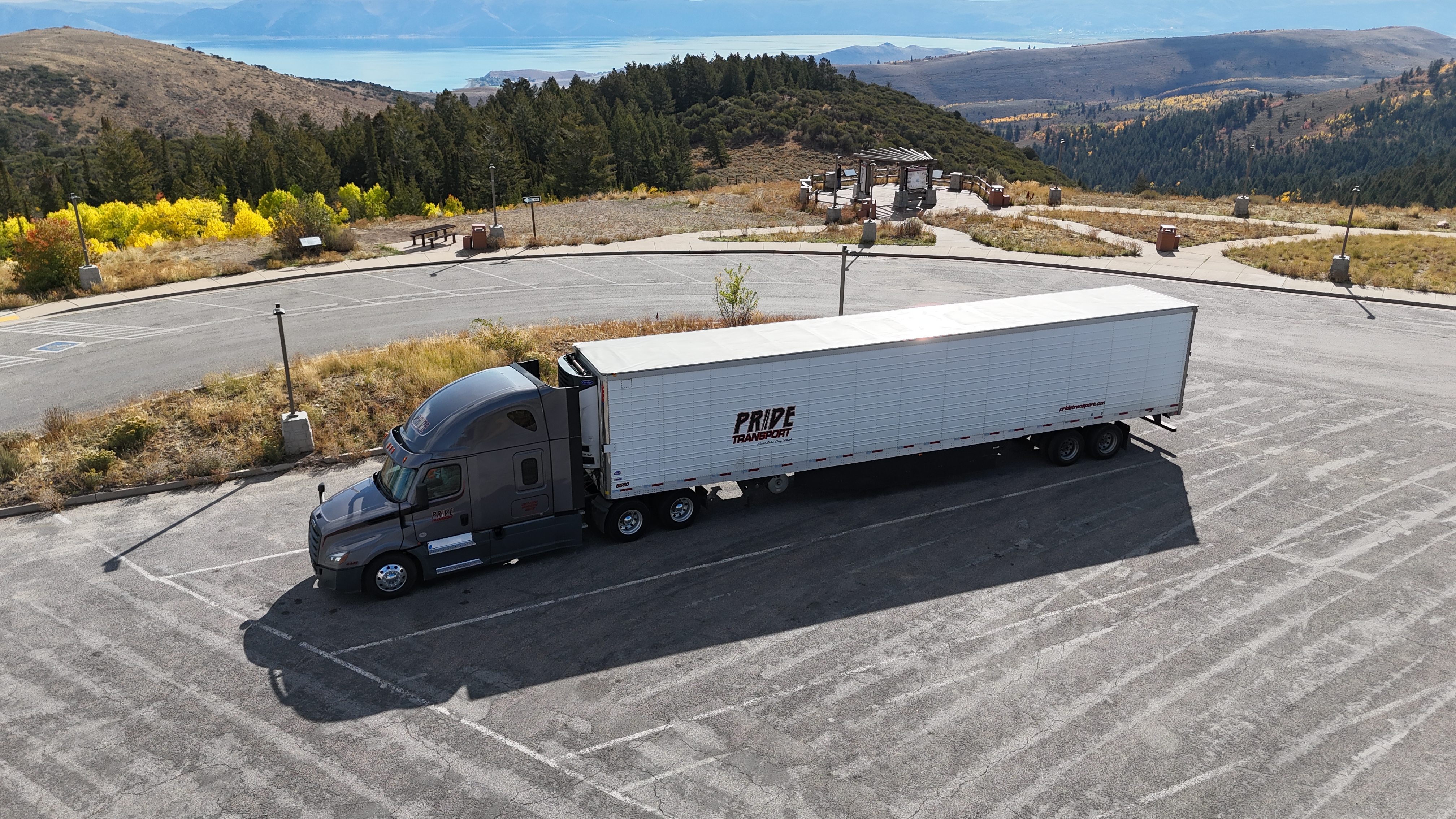
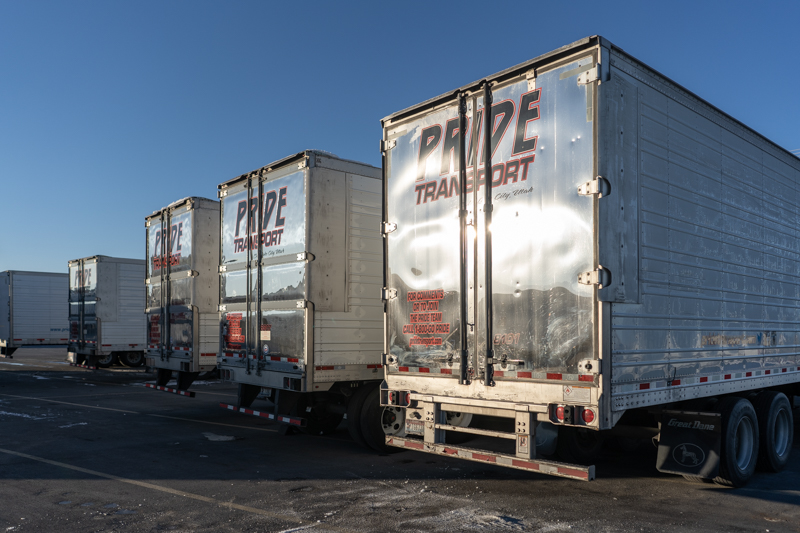
A refrigerated trailer, commonly called a reefer, is designed to haul perishable freight that must stay within a specific temperature range. These trailers are equipped with their own refrigeration system and insulation to maintain internal temperature independent of external conditions.
Reefer trailers are critical in supply chains for industries like food service, grocery distribution, pharmaceuticals, and agriculture. At Pride Transport, our reefer fleet delivers freight across the country that must meet strict quality and safety requirements. Failing to maintain the correct conditions can result in rejected loads, lost freight value, and potential legal issues under regulations like the FDA’s Food Safety Modernization Act (FSMA).
How Reefer Units Maintain Temperature
A reefer trailer operates using a closed-loop refrigeration system composed of a compressor, condenser, evaporator, and refrigerant cycle, much like a household refrigerator but on a larger scale. The unit draws heat from inside the trailer and expels it outside, while insulated walls reduce the effect of outside temperatures.
Proper airflow is essential. Cold air is distributed from the front of the trailer (near the evaporator unit) and recirculates to maintain even temperatures throughout the cargo space. This is why correct loading practices, such as using pallets and leaving space for air to move, are just as important as temperature settings.
Blocked air circulation or poor trailer maintenance can cause uneven temperatures, leading to spoilage in parts of the load even if the reefer appears to be working correctly.
Continuous vs. Start-Stop Mode: Know the Difference
Reefer units typically operate in one of two modes:
- Continuous Mode: The refrigeration system runs non-stop to maintain a consistent internal temperature. This mode is required for highly sensitive freight like fresh produce, dairy, and certain pharmaceuticals. According to Carrier Transicold’s load recommendations, continuous mode minimizes temperature swings, especially when the trailer doors are opened multiple times.
- Start-Stop Mode: The reefer cycles on and off as needed to maintain the set point. This can save fuel but allows for more fluctuation in box temperature. It may be acceptable for frozen goods that are less sensitive to minor shifts.
Some shippers require continuous mode regardless of freight type, so always follow the instructions on the Bill of Lading (BOL) or confirm with dispatch if unclear.
Pre-Trip Reefer Inspection: What to Check Before You Roll
Before picking up or transporting a refrigerated load, a complete pre-trip reefer inspection ensures your equipment is ready and compliant. Here's what to inspect:
Fuel Level: Reefer units have their own diesel tank. Most shippers and receivers require the reefer tank to be at least three-quarters full before loading or unloading. A low tank may result in denied entry or unloading delays.
Trailer Interior: Inspect for debris, lingering odors, or standing water. The FDA’s Sanitary Transportation Rule mandates that food transport equipment be cleaned and sanitized to prevent cross-contamination.
Reefer Controls: Power on the unit and verify that the set point matches the shipper’s instructions. Don’t rely on prior settings. Also, confirm the unit is in the correct mode (Continuous or Start-Stop).
Pre-Cooling: The trailer should be pre-cooled to the proper temperature before loading begins. This prevents condensation and temperature shock to sensitive products.
Data Recorders: If required, make sure the reefer’s temperature recorder or download device is functioning. Some customers request documentation at delivery.
Each of these steps helps prevent costly mistakes and ensures compliance with both shipper requirements and federal standards.
Programming and Monitoring Reefer Temperature
After confirming the set point, it’s important to monitor both the set temperature and the box temperature. The box temperature reflects the actual interior temperature of the trailer during transit. The two can differ during startup or under heavy ambient heat load, but should stabilize during transit.
To further verify accuracy, drivers should use a calibrated pulp thermometer to check the actual product temperature, when permitted. This step aligns with best practices recommended under the FSMA guidelines and is especially helpful in the event of a claim.
Some loads may include specific handling instructions, such as temperature checks every four hours or continuous run-time verification. When in doubt, ask your dispatcher to confirm.
Fueling Tips That Save Time and Headaches
Running out of reefer fuel is one of the most avoidable causes of freight spoilage. Despite this, it remains a top reason for load rejections and delivery delays.
- Always fuel the reefer before arriving at the shipper. Many facilities will refuse to load an under-fueled unit.
- Re-fuel again before delivery, especially on long-haul runs or overnight trips.
- Know that reefer fuel gauges are often unreliable. Fuel up based on time and distance, not just what the gauge says.
These habits not only protect your freight but also keep you moving, instead of waiting at the gate for a fuel vendor to arrive.
Reefer Alarms and What They Mean
Reefer units from leading manufacturers like Thermo King and Carrier Transicold are equipped with diagnostic systems that display alarm codes when the unit detects a mechanical or environmental issue. These alarms are designed to alert drivers to anything that may impact the trailer’s ability to maintain the set temperature.
Common alarms include:
- Low fuel pressure (which can signal clogged fuel filters or a nearly empty tank)
- Sensor malfunctions (which affect how accurately the unit reads and regulates internal temperature)
- Compressor or engine faults (which may prevent the reefer from cooling altogether)
- Defrost system issues, such as failed cycles or coil freezing
When you see an alarm code:
- Immediately record the code as it appears on the control panel. Don't clear it until you’ve documented it or communicated it to the shop.
- Consult the onboard manual or the manufacturer’s online resources to understand what the code means and whether it’s classified as minor, moderate, or critical. Both Thermo King and Carrier provide full alarm code descriptions and recommended next steps for each.
- Call Pride’s breakdown or dispatch team if the alarm is unresolved, if you’re unsure how to respond, or if the unit isn’t cooling correctly. You should not attempt repairs unless specifically authorized and trained.
Some alarms may clear themselves once the issue is resolved, such as a low fuel alarm after refueling, but others may persist until the trailer is serviced. If the unit continues to run without cooling effectively, it can lead to freight damage, FSMA non-compliance, or a claim that could affect your record.
Always err on the side of caution. Early reporting allows the support team to respond quickly, reroute you if needed, or arrange service without compromising the load. Ignoring alarms or failing to report them can cost you time, income, and trust.
Professionalism Starts with Reefer Knowledge
Transporting refrigerated freight requires more than just horsepower, it demands attention to detail, adherence to procedure, and a commitment to doing the job right. By understanding your reefer unit and staying proactive in how you fuel, inspect, monitor, and document each load, you safeguard not just the freight, but your reputation as a professional driver.
Looking for a carrier that supports your growth, respects your expertise, and values your precision? You're in the right place. Become part of a fleet that takes reefer freight and driver success seriously.
Drive with Pride. Apply today.